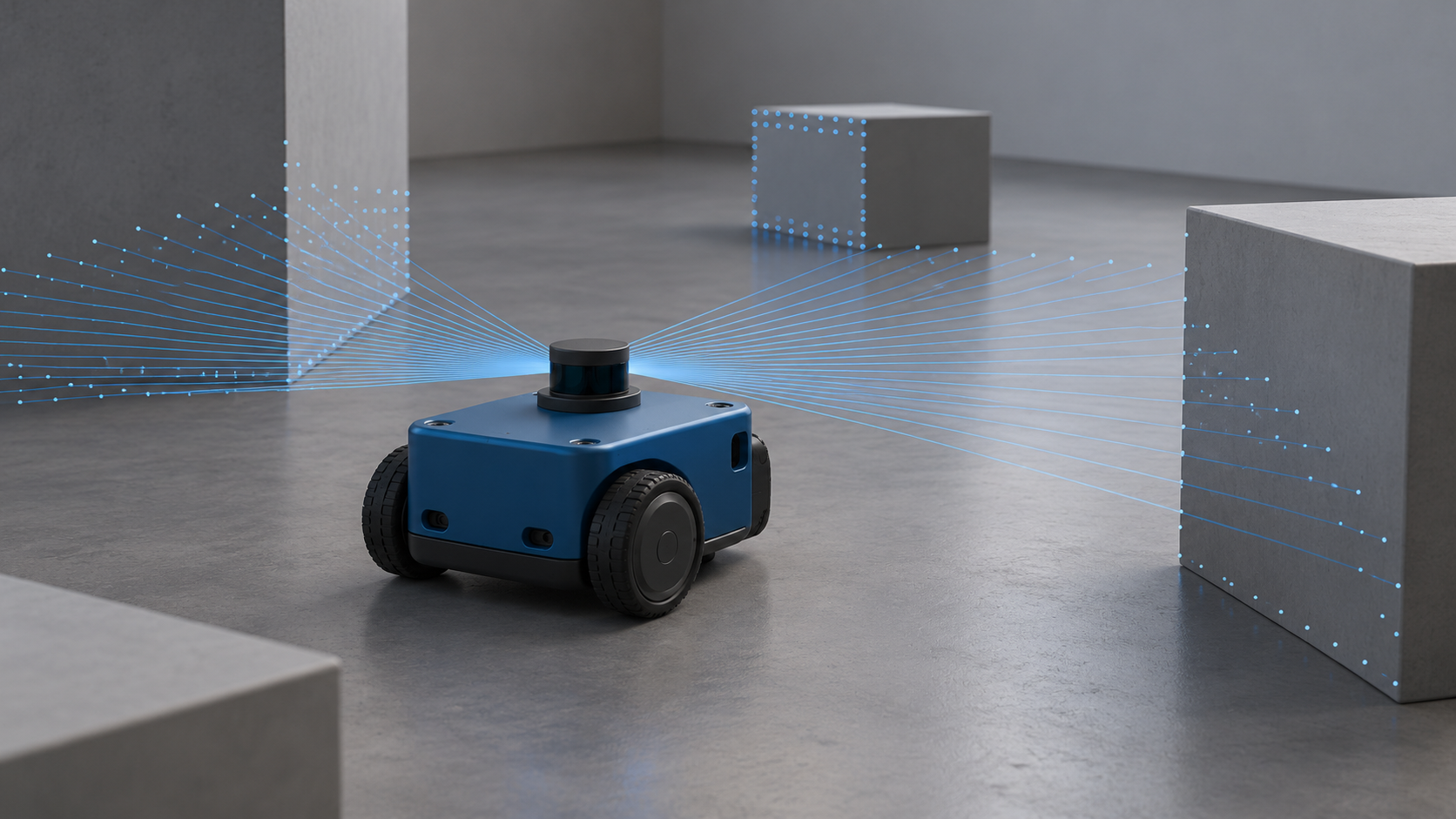
Robots are changing our world in amazing ways — think of self-driving cars, robots performing surgeries, or even robots helping explore Mars. But making robots isn't as easy as it seems. Each robot is like a puzzle with hundreds of pieces that need to work together, from sensors and cameras to motors and software. Imagine if every engineer had to build these parts from scratch each time — they'd never get very far.
That's where ROS, the Robot Operating System, comes in. Think of ROS as the "common language" of robotics. It's a free, open-source toolkit that provides a solid foundation for creating robots. Engineers can use ROS to share code and designs, which means they don't have to start from zero every time. This system has quickly become the go-to tool for robotics, helping experts around the world work together and push the boundaries of what robots can do. Simply put, without ROS, robotics would be stuck in the slow lane.
What is ROS (Robot Operating System)?
The Robot Operating System, or ROS, is like a one-stop toolkit for anyone building a robot. Even though it's called an "operating system," ROS isn't like Windows or Mac; it's a flexible framework that runs on top of regular operating systems like Linux. ROS gives developers all the tools they need to create robots, from libraries for controlling motors and sensors to packages for handling complex tasks like path planning and navigation. By providing this foundation, ROS enables different parts of a robot — sensors, cameras, motors — to work in harmony, making it easier for developers to build advanced robots without starting from scratch.
So why is ROS so popular in the robotics world?
Flexibility — Can be adapted to a wide range of robotics applications.
Open-source nature — Code is freely available for anyone to use and modify.
Free to use — No licensing costs for development.
Strong community support — Large global developer base constantly contributing.
Continuous improvement — Developers regularly add new tools and enhance existing ones.
Code sharing and collaboration — Encourages teamwork and reuse of modules.
Virtual testing environments — Enables safe and fast prototyping before physical deployment.
Wide applicability — Supports projects from self-driving cars to drones and household robots.
Innovation acceleration — Helps creators focus on ideas instead of building everything from scratch.
Now you can see why ROS is so important as well as popular. But what would happen if there was no such thing as ROS?
The World of Robotics Without ROS
Imagine designing a machine that not only sees and hears but also thinks and moves with precision. You gather cameras for vision, sensors to detect the environment, motors for movement, and software for decision-making. But each comes from a different source, speaks a different programming language, and follows its own set of rules.
Without ROS, every connection becomes a battle. Developers spend months wrestling with compatibility issues instead of building new features. Budgets are drained on custom integrations that break with every update. Testing is slow, errors multiply, and even the simplest task can feel like reinventing the wheel. Progress crawls, innovation stalls, and the dream of advanced robotics remains just that — a dream.
Why ROS Became the Dependable Choice for Robotics
Open-Source Flexibility — ROS is free to use, modify, and share, making it accessible to engineers, students, and hobbyists alike. Its global community constantly develops and improves tools, enabling rapid innovation across the robotics field.
Modular Architecture — Designed like LEGO blocks, ROS allows developers to add, remove, or swap components with ease. This flexibility makes it simple to upgrade parts, like replacing a camera or motor, without overhauling the entire system.
Cost and Time Efficiency — With thousands of ready-made packages and libraries, ROS saves developers from building basic functions from scratch. This reduces costs, shortens development time, and lets teams focus on creating advanced features.
The Future: ROS 2 and Beyond
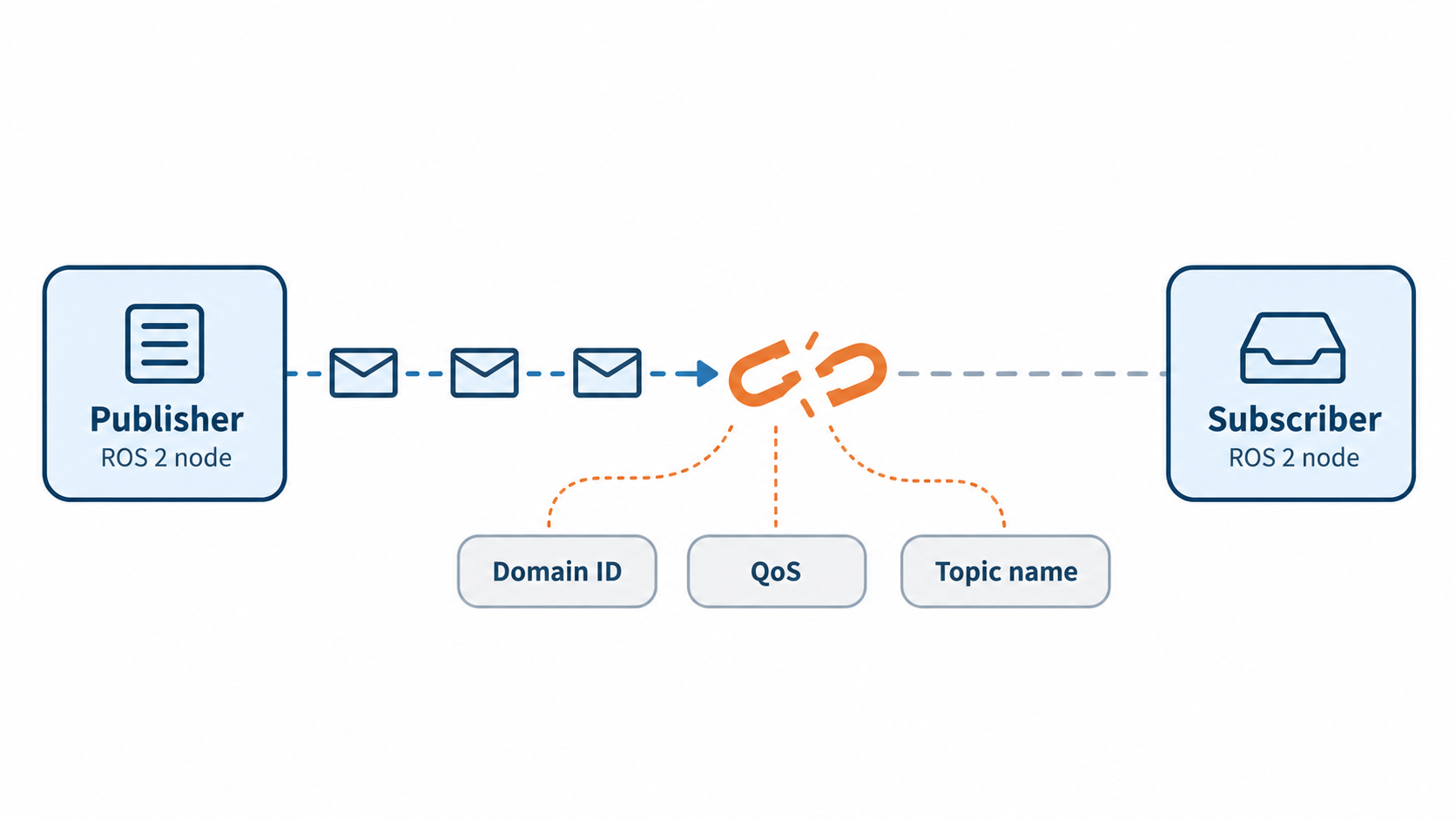
ROS 2 upgrades — The latest version brings better real-time performance, improved security, and reliable multi-robot coordination. It's built to handle more demanding, large-scale applications in robotics.
AI and machine learning — Integrating ROS with AI enables robots to learn, adapt, and perform complex tasks. This means smarter, more autonomous machines capable of responding to new challenges.
Edge computing — Processing data locally instead of relying on distant servers allows ROS-powered robots to make instant, on-the-spot decisions, boosting safety and responsiveness.
Interoperability — ROS promotes common standards, making it easier for robots and components from different sources to work together seamlessly, accelerating deployment.
Collaborative robotics — ROS supports cobots that can safely assist humans in workplaces, from factories to hospitals, increasing efficiency while ensuring safety.
Conclusion
In short, ROS is the backbone of modern robotics. It fosters innovation, collaboration, and knowledge-sharing across the global community. At My Equation, integrating ROS into our programs empowers students to tackle real-world challenges with confidence. As robotics advances, frameworks like ROS will remain vital in driving progress. Without it, innovation would slow — with it, the possibilities are limitless.
This article was originally published on Medium by the My Equation team.