
Twenty years from now, someone's going to write a "how it all started" retrospective about robotics, the same way people now write breathless pieces about the early days of the iPhone or the first Amazon warehouse robots. There'll be some grainy footage of a humanoid robot faceplanting on stage, a quote from an engineer saying "we had no idea how big this would get," and a comment section full of people insisting they saw it coming all along.
Nobody in 2005 thought "smartphones" was a life-altering career bet, and nobody in 2010 thought "machine learning" was about to eat the entire economy. It just quietly tips, and by the time it's obvious, the people who bet early are the ones being interviewed for the documentary. Robotics is doing that exact tip right now.
The Lore Behind Robotics
Robotics didn’t start with Elon’s tweets about Optimus doing backflips. It began with industrial arms, welding car frames in factories while workers watched from a safe distance. Think big, clunky, single-purpose machines that cost more than a house and needed a PhD just to change a tool tip.
Fast-forward a few decades and the field got a glow-up. Warehouse bots started racing around Amazon facilities. Surgical robots entered operating rooms with steadier hands than most residents after a 30-hour shift. Then the humanoid wave hit, companies pouring billions into robots that walk, talk, and (theoretically) do chores without complaining about the Wi-Fi.
Today those same skills power systems that move real products, assist real surgeries, and yes, occasionally go viral for face-planting in the most spectacular ways. Robotics has always been the bridge between pure code and messy physical reality.
What’s Actually Going On in 2026
The useful question is whether robots are being deployed. There’s evidence of real adoption. The International Federation of Robotics’ World Robotics 2025 report recorded 542,000 industrial robot installations worldwide in 2024. India installed roughly 9,100, up 7%, making it the sixth-largest market by annual installations.
Amazon has also announced deploying its one millionth robot across its operations. That’s a fairly substantial upgrade from your college lab’s one functioning robotic arm, which everyone approaches like a sleeping royal.
For someone choosing a career in 2026, these deployments point towards work beyond building a new robot: integration, testing, maintenance, and improving existing systems matter too. Installation growth, however, does not translate directly into the same percentage growth in graduate jobs.
A warehouse needs its robots to navigate consistently. A manufacturer needs repeatable quality. Neither becomes profitable because the robot has excellent stage presence. Search by the work you want to do: embedded systems, controls, automation, perception, robotics software, or field applications. Restricting yourself to the exact title “robotics engineer” can hide relevant opportunities. Your degree can provide a foundation, but evaluate a programme through its labs, projects, internships, and teaching quality. And inspect the actual responsibilities. A role involving customer installations offers a different working life from one developing navigation algorithms. Both belong to robotics. Only one might involve explaining a sensor fault beside a conveyor belt.
Skills You Actually Need
Reading a robotics job description can feel like being asked to assemble the Avengers using your elective subjects.
The practical stack in 2026 is clear and, honestly, a bit demanding.
Programming that survives outside the tutorial. Learn Python for scripting, testing, and working with data. Add C++ where your target roles require it. Get comfortable with Linux, Git, reading errors, and understanding unfamiliar code. Completing a tutorial helps; changing its assumptions reveals whether you understood it.
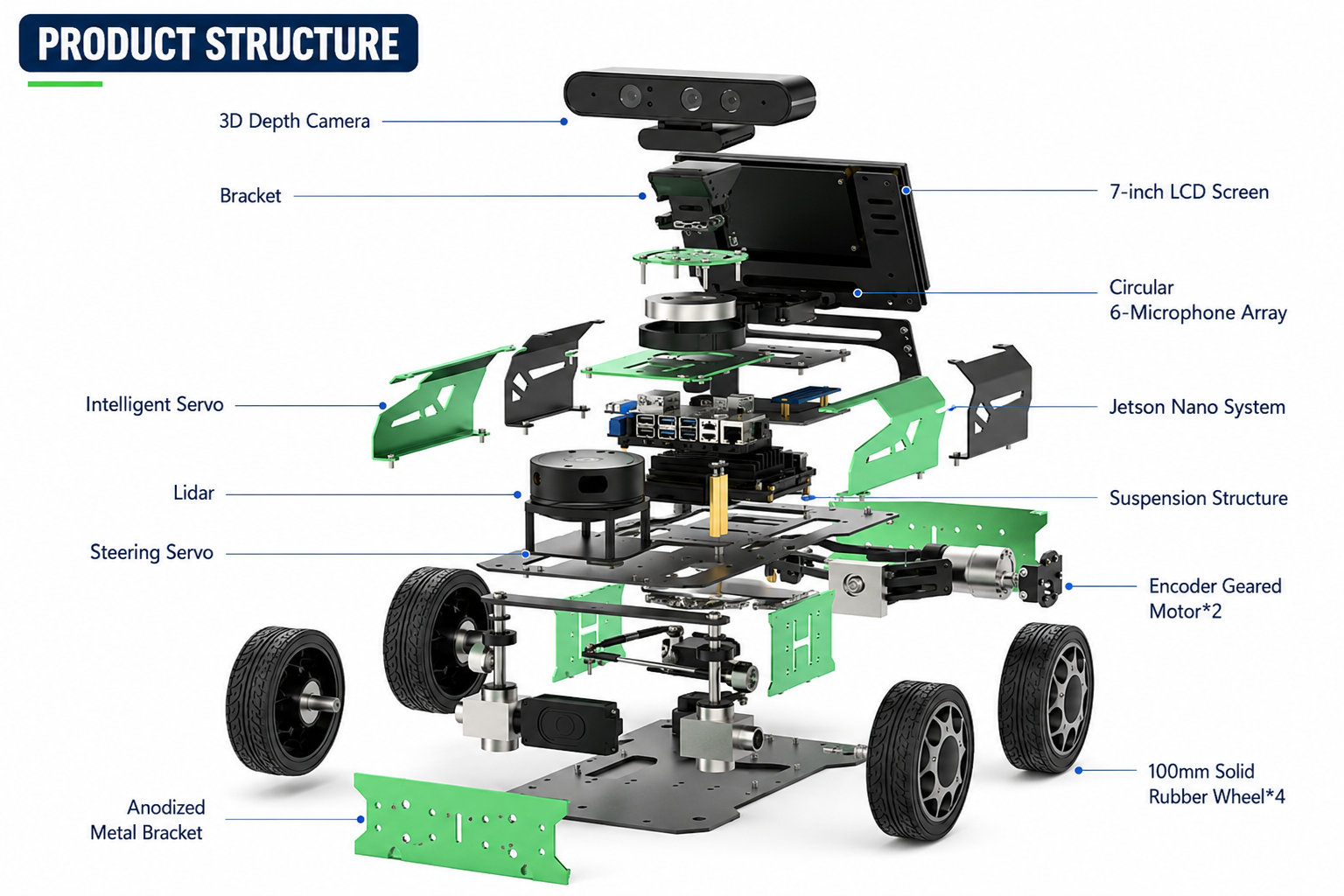
Enough hardware knowledge to diagnose reality. Understand sensors, motors, motor drivers, power supplies, and basic circuits. Learn to read a datasheet and check wiring systematically. Your code can be flawless while the motor receives insufficient power. The compiler has no jurisdiction over your battery.
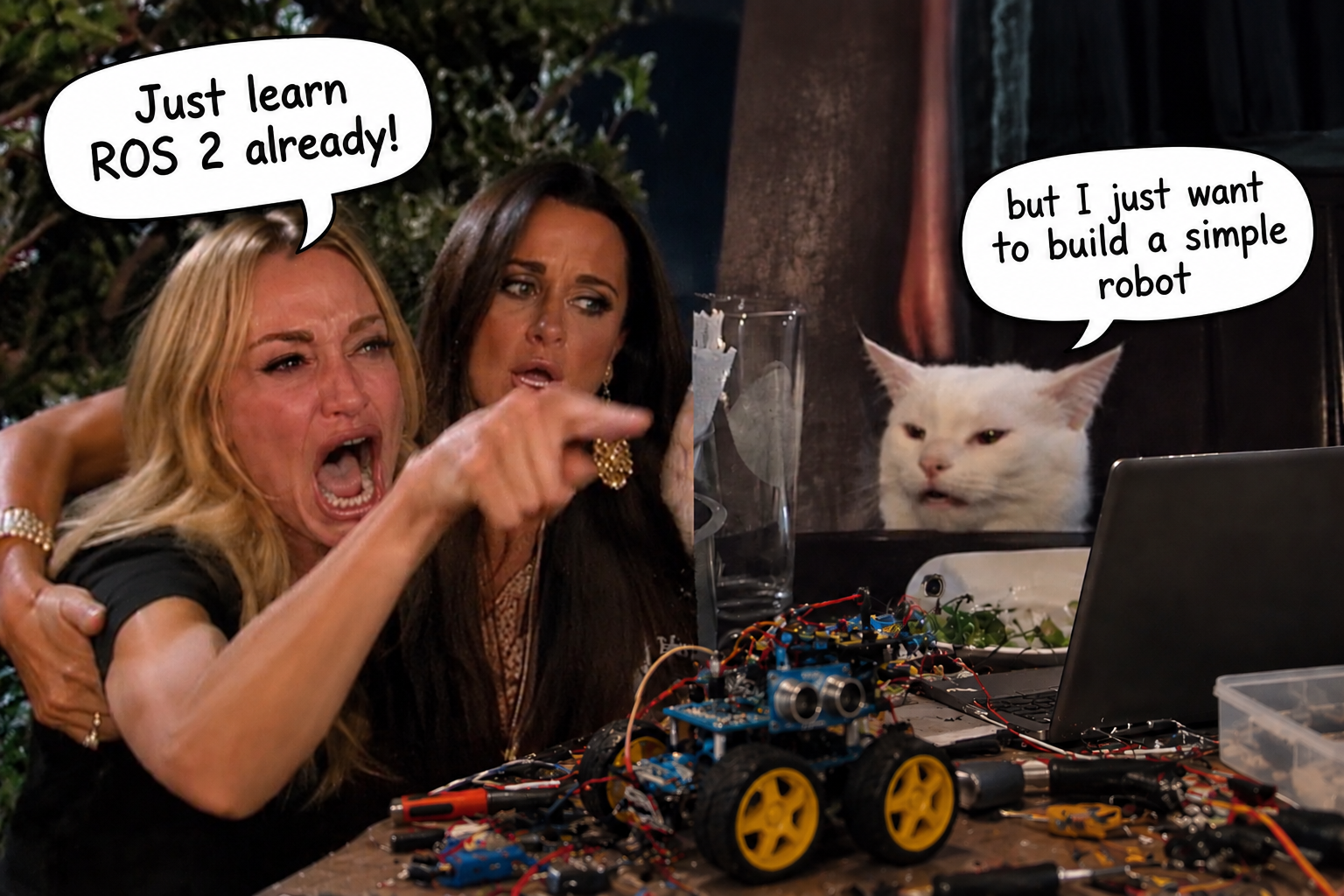
Tools that match your direction. ROS 2 provides libraries and tools for building robot applications; explore it when your projects need that infrastructure. It doesn’t replace learning how your robot works. For other paths, prioritise CAD, microcontrollers, or industrial controls according to the roles you’re targeting.
AI and perception. This is the part that changed everything. Robots now need to see through computer vision, understand through machine learning, and plan through reasoning frameworks, the same kind of system behind Google DeepMind's SayCan, which takes a plain-language instruction and breaks it into steps the robot can physically pull off, checking each one against its own real capabilities before committing.
Evidence that you can finish something. Choose a manageable project: a mobile robot that navigates a small space, or an arm that sorts a limited set of objects. Document the wiring, code, tests, failures, and changes. Include repeatable results alongside the demo. Ten successful attempts tell a more useful story than one carefully edited miracle.
AI can help explain code and suggest debugging steps. Check its assumptions against your hardware and measurements. You should still be able to explain why the robot moved. “The chatbot seemed confident” is a difficult sentence to defend beside a broken gripper.
Now, Should You Do It?
Choose robotics if you’re curious about how physical systems work and willing to keep investigating when the first explanation is wrong. You don’t have to enjoy every bug. Nobody needs to develop a personal attachment to loose connections. But enjoying the process matters, because progress can be slow. Hardware costs money. Testing takes time. Some roles require lab access, factory visits, or relocation. Consider those constraints alongside the interesting work.
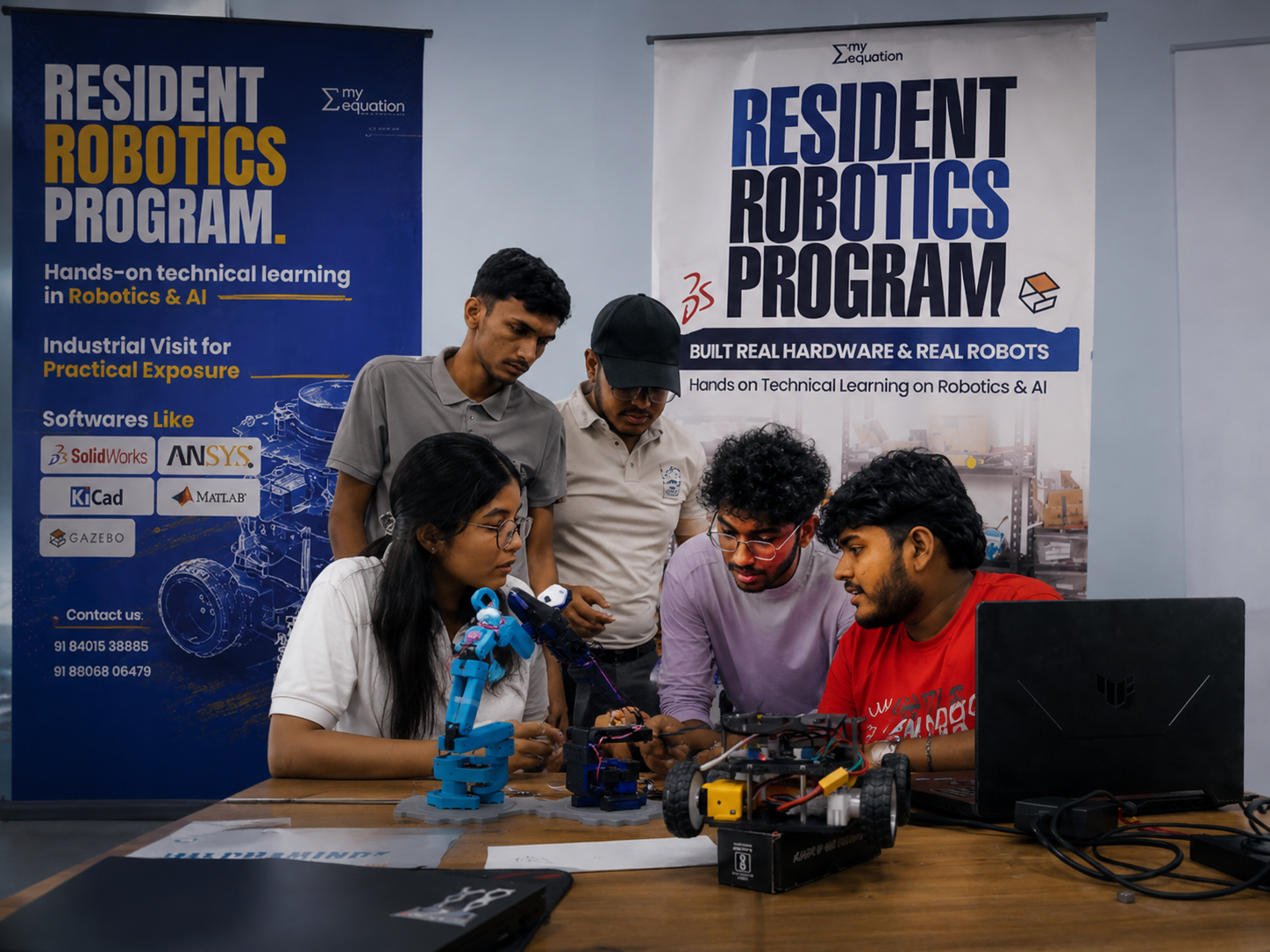
Before committing, give yourself a small trial. Over four weeks, investigate one role, build or simulate a modest project, and write down what failed and how you responded. Speak to someone doing that work professionally.
Notice which part you enjoyed: designing the mechanism, writing the logic, interpreting sensor data, or bringing everything together. Let that guide your next step.
If you still want another attempt after the robot has spent an afternoon misunderstanding a wall, robotics may suit you.