Engineering used to be simple. You picked a branch, survived four years of assignments, somehow cleared viva exams with answers that were technically correct, collected your degree, and assumed your career would stay neatly inside the boundaries of your chosen discipline.
Then one morning, you opened LinkedIn. You found the perfect "entry-level" robotics role. You clicked Apply. The requirements started innocently enough from Mechanical Design to Python. Then things took a turn. Embedded Systems. Computer Vision. ROS 2. AI/ML. Electronics. Each one landed like a plot twist in a movie you didn't ask to watch.
You kept scrolling and somewhere between "experience with autonomous navigation" and "knowledge of sensor fusion," you stopped reading the job description and started questioning your entire engineering degree.
So before you close this tab and reconsider your life choices, let's actually break down what's going on here…
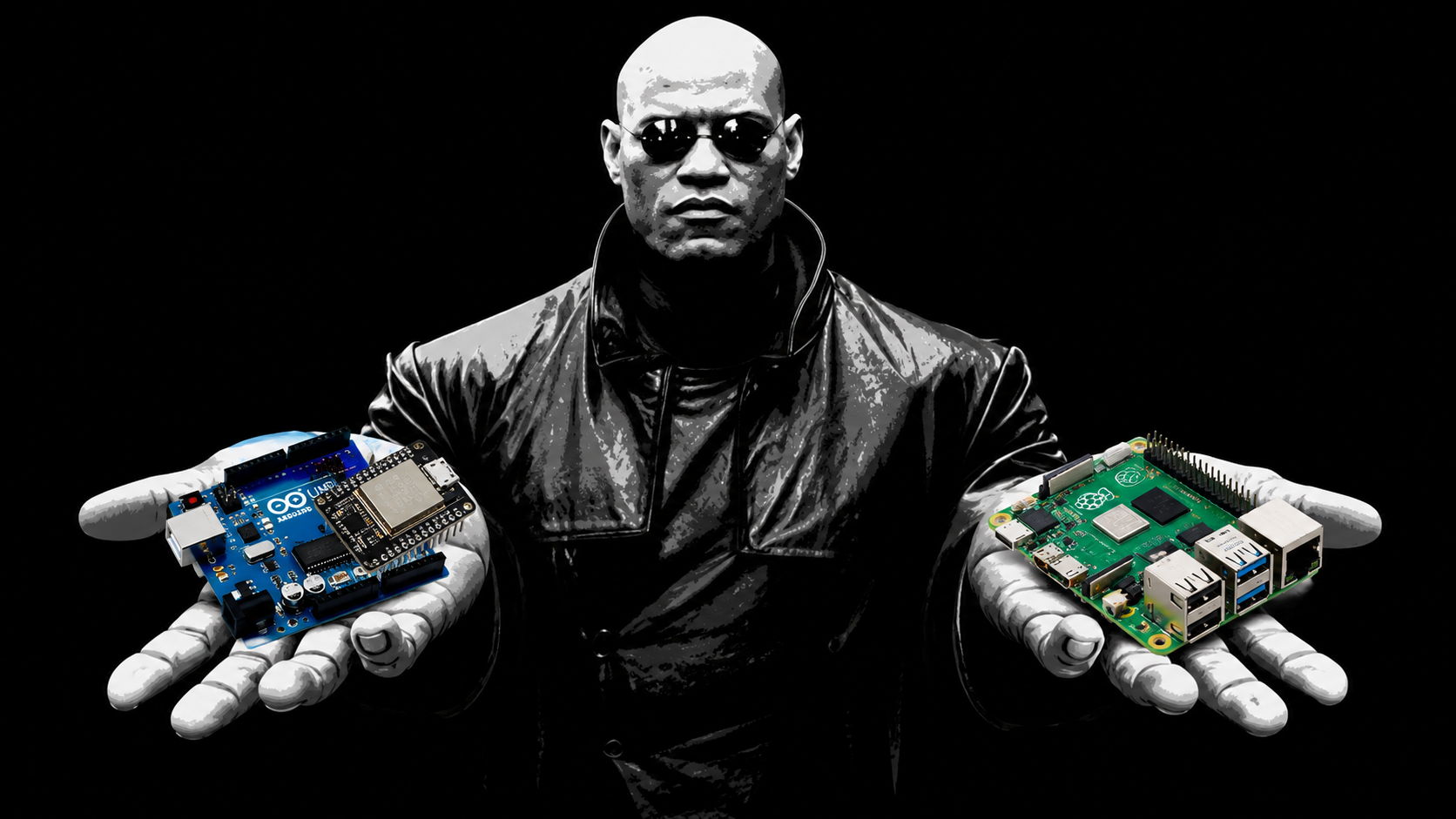
What If One Field Could Teach You Every Essential Engineering Skill?
Here's a question worth sitting with for a second: what if there was one single field that could teach you almost every core engineering skill you'd ever need - mechanical, electrical, and software without making you enroll in three separate degrees?
Sounds too good to be true, right? This field doesn't teach you all these skills the polite way, one at a time, with a syllabus and a breather in between. It throws them at you simultaneously, expects you to catch all of them mid-air, and then asks why you're not smiling.
So what is this mysterious, all-consuming, career-defining field?
You already know. It's ROBOTICS and it earns every ounce of its reputation. It requires structures that don't collapse, circuits that don't spark, and software that doesn't freeze, all working at the same time, in the same machine.
That's exactly why it teaches you everything. Not because someone designed it as an efficient curriculum, but because a robot simply won't function unless you understand enough of each piece to notice when something's wrong.
Anatomy of a Robot
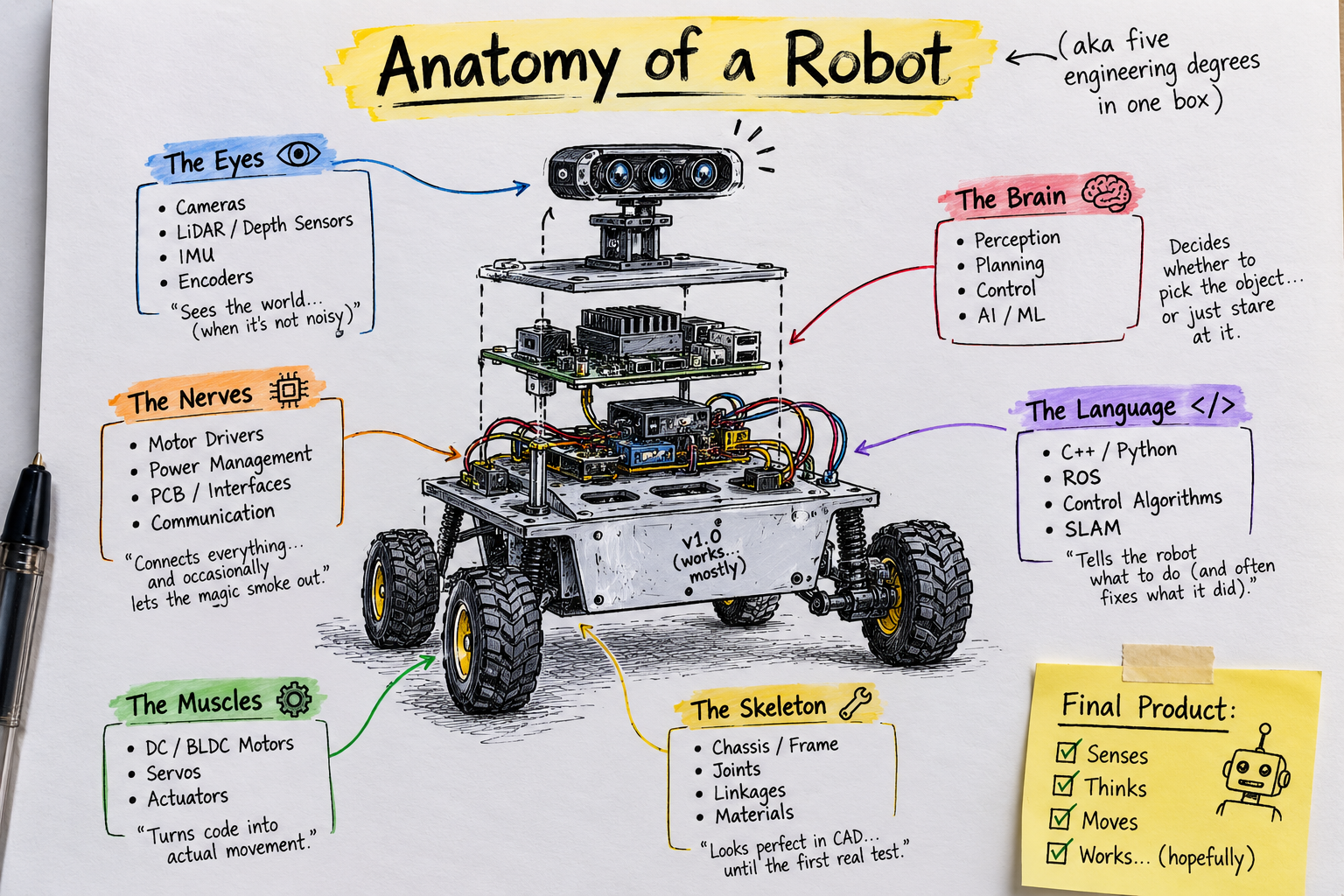
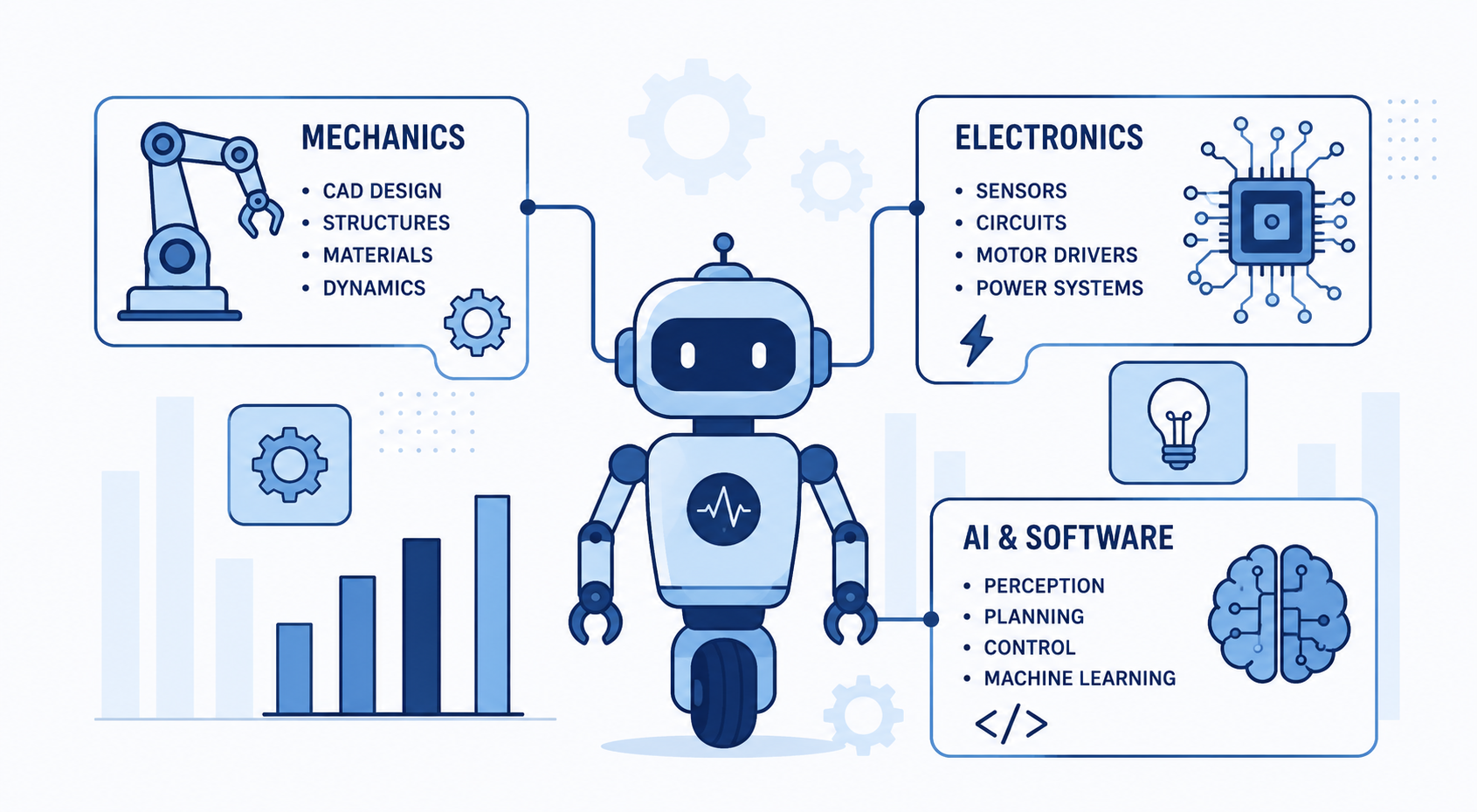
If you've ever wondered why robotics feels like five engineering degrees wearing a trench coat, let's crack open a robot and find out.
The frame. This is the part that looks flawless in your CAD render and then develops a mysterious wobble the second you power it on. Designing it means understanding structures, actuators, and joints that can survive contact with the real world a world that, according to every prototype ever built, remains undefeated. You'll get intimate with tolerances, materials, and the sacred mystery of a part that fits perfectly on screen and nowhere else.
The wiring. Sensors, motor drivers, power lines this is the layer that decides whether your robot wakes up or produces a small, dramatic puff of smoke. Every robotics build has a story about a burnt connector discovered by smell before sight. Get comfortable with circuits, signal integrity, and the very particular joy of a connection that's 90% correct and 100% useless.
The decision-maker. Perception, planning, control loops, and often a dash of machine learning sprinkled on top to make the demo look impressive. This is where the robot decides whether to pick up the object in front of it or stare at it with what can only be described as deep suspicion. It's also where most robotics projects quietly stall not from bad hardware, but from one control loop nobody dares touch because "it works, don't ask how."
Get all three working together, and you've got something that can sense, move, and act on its own.
You Either Learn One Skill... or Stay Long Enough to Learn Them All
There's a version of this journey where you pick a lane, master it deeply, and never look sideways. That version exists briefly right up until your first real robotics project, at which point it evaporates like your weekend plans.
Here's the useful part, though: you don't need to learn everything on day one, and trying to is a fast track to burnout. The engineers who crash and burn are usually the ones who decide, before breakfast, that they'll master ROS, PID tuning, CAD, embedded C, and computer vision by lunchtime. That's not a study plan. That's a warning sign.
Instead, pick a home base and expand outward. If you started in mechanical design, get comfortable enough with basic electronics to understand why your motor driver keeps timing out, and learn just enough Python to read a script and know whether it's telling the truth. If you started in software, learn what a bill of materials actually is, and why your beautifully optimized algorithm falls apart the moment the real motor has three degrees of backlash nobody mentioned in the datasheet. If you started in electronics you're already fluent in translating between the other two, so keep doing exactly that.
The actual skill stack worth building in 2026 looks something like this:
Systems thinking- seeing how a change in one part ripples into another. Add weight to an arm, and suddenly your motor is underpowered and your control code is lying to you about what's happening.
Cross-domain fluency- not mastery, just enough to read a schematic, sanity-check a CAD model, and get through a stack trace without your soul leaving your body.
Simulation before hardware- because testing a bad idea in code costs you an afternoon; testing it on a real robot costs you a part, a fuse, and possibly your eyebrows.
Communication- quietly the most underrated skill in robotics. A huge share of project delays come down to two people describing the exact same bug in completely different vocabularies for hours before realizing it.
Learn one thing properly. Borrow just enough of the rest that you stop assuming the fault always belongs to "the other side" because on a small enough team, you might eventually be the other side too.
To Robotics... and Beyond
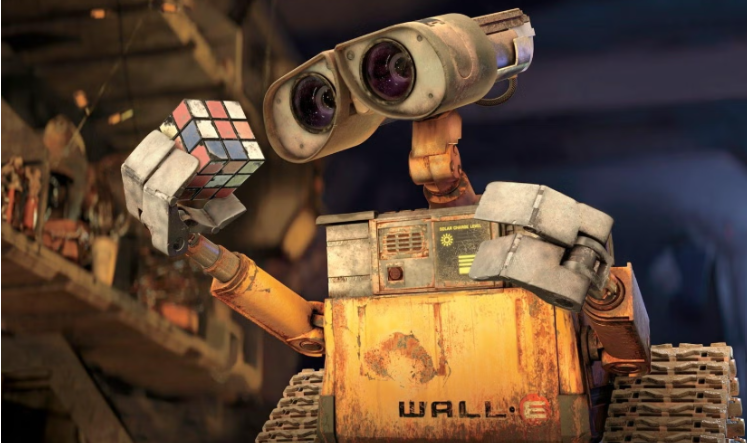
If this all sounds like a lot, that's because it is but it's also, somehow, the part people end up enjoying most. Robotics in 2026 isn't asking you to become a solo genius who single-handedly designs, wires, and codes a Mars rover from a garage. It's asking you to be curious enough across a few domains that you can catch a problem early, understand what the person next to you is actually saying, and appreciate the sheer absurdity of convincing a pile of metal and code to pick up a coffee cup without dropping it.
Every extra skill you pick up is one less mystery your robot gets to hide behind. The job posting that once felt like a cruel joke starts looking a lot more like a checklist you're slowly, actually completing.
To robotics, and beyond. Bring coffee. Possibly a spare fuse.